


Slowing Ticket Sales at SummerSlam: What Economic Factors are Impacting Attendance

Updated: Aug 4
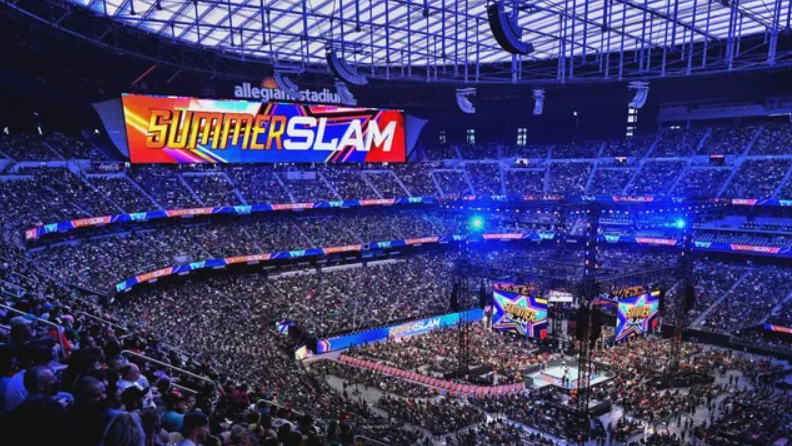
SummerSlam is one of WWE’s biggest events, traditionally drawing tens of thousands of fans to stadiums across the United States. This year, however, ticket sales have not met expectations. Despite hosting the event in a large Minnesota stadium with a capacity of around 72,000, sales are tracking between 30,000 and 35,000 per night. This significant gap raises questions about what is causing fans to hold back and how WWE might adapt moving forward.
The Reality of Ticket Sales This Year
The numbers tell a clear story. With only about 30% of the stadium’s capacity filled, the atmosphere and revenue potential are affected. This slowdown is not just a minor dip but a noticeable shift from previous years when SummerSlam events often sold out or came close to it. The lower attendance impacts not only the live experience but also WWE’s broader business model, which relies heavily on large-scale live events.
Economic Factors Driving Fans Away
Several economic factors contribute to the slower ticket sales. The most immediate is the high ticket pricing. Fans have expressed concerns that the cost to attend SummerSlam is simply too steep, especially when combined with other expenses related to travel and accommodation.
Beyond ticket prices, broader economic challenges play a role. High gas prices have made travel more expensive, discouraging fans from flying or driving long distances to attend the event. Many potential attendees are choosing staycations or local entertainment options instead of traveling to a major event. This shift reflects a cautious approach to discretionary spending amid uncertain economic conditions.
How WWE is Responding to Lower Attendance
WWE has started to adjust its event setup to better fit the current attendance levels. One key change is tarping off the top tiers of the stadium. This creates a more intimate atmosphere and prevents large empty sections from detracting from the live experience. Additionally, WWE is reconfiguring stadium layouts to concentrate fans closer to the ring, improving sightlines and energy.
These adaptations show WWE’s willingness to be flexible and responsive. Rather than sticking to a fixed stadium setup designed for full capacity crowds, they are tailoring the environment to match reality. This approach helps maintain a better fan experience and reduces the visual impact of empty seats.
What This Means for WWE’s Future Premium Live Events
The current situation raises important questions about WWE’s strategy for future Premium Live Events (PLEs). Will WWE continue to book massive stadiums in the US that may not fill up? Or will the company shift toward smaller venues that can sell out more reliably, creating a better atmosphere and financial outcome?
Another possibility is expanding more aggressively into international markets. Locations like Europe and Saudi Arabia have shown strong demand for WWE events, often selling out venues consistently. These markets may offer more stable attendance and revenue streams compared to some US stadiums currently struggling with ticket sales.
Balancing Venue Size and Fan Demand
Choosing the right venue size is critical. Large stadiums offer prestige and the potential for massive crowds, but they also carry risks if sales fall short. Smaller arenas or international venues can provide a more consistent sellout experience, which benefits both fans and the company’s brand.
WWE’s challenge will be to find the right balance between ambition and realism. They must weigh the excitement of big stadium shows against the financial and experiential downsides of underfilled seats.
What Fans Can Expect Moving Forward
Fans may see more varied event locations and formats in the coming years. WWE might focus on creating high-energy shows in venues that match expected attendance rather than aiming for maximum capacity every time. This could mean more events in mid-sized arenas or international stops where demand is strong.
Ticket pricing could also come under review. Making events more affordable or offering tiered pricing options might help attract a broader audience, especially during times of economic uncertainty.
Final Thoughts on SummerSlam Ticket Sales
The slowdown in SummerSlam ticket sales reflects a mix of economic pressures and changing fan behavior. High ticket prices combined with rising travel costs have made attending large stadium events less appealing for many. WWE’s response by adjusting stadium setups and reconsidering venue choices shows a practical approach to these challenges.
For fans and industry watchers, this moment offers insight into how live entertainment must evolve in response to economic realities. WWE’s future success with Premium Live Events will depend on its ability to adapt to fan demand and economic conditions while continuing to deliver memorable experiences.
The key takeaway is that big events like SummerSlam must balance scale with accessibility. When fans feel priced out or unable to travel, even the most anticipated shows can see attendance drop. WWE’s ongoing adjustments will be critical to maintaining the excitement and energy that make SummerSlam a highlight of the wrestling calendar.
Shop For Your Official SummerSlam Gear at WWE Shop Today!


Comments