


6 Late Round Dart Throws With Fantasy Football League Winning Upside After Round 10

Your last six bench spots shouldn’t be filled with “safe” players you’ll never start.
After Round 10, the goal is simple: chase weird upside. These are the players who can be cut by Week 2 with zero guilt if the role isn’t there, but who also have a clean path to becoming weekly starters if one thing breaks right.
That’s the sweet spot in Fantasy Football drafts: cheap players with asymmetric upside. Backup running backs who would inherit real volume. Rookie receivers with a route to early snaps. Mobile quarterbacks who don’t need 275 passing yards to matter.
Here are six late-round dart throws worth circling.
What makes a late-round pick worth taking in Fantasy Football
A good late pick shouldn’t need five things to happen.
The best ones usually fit one of three buckets:
Contingent value backs
These are backups who become must-start players if the starter misses time.
Rookie receivers with fast role paths
They don’t need to be polished right away. They need snaps, targets, and a team willing to throw.
Rushing quarterbacks
Passing efficiency can be volatile. Rushing gives quarterbacks a cheat code because 40 rushing yards is worth the same as 100 passing yards in most formats.
The key is being honest. If the player doesn’t have a role after Week 1 or Week 2, move on. These aren’t “stash forever” picks. They’re cheap bets on fast-changing depth charts.
Jaxson Dart could matter fast if the Giants let him run

Jaxson Dart is exactly the kind of late-round quarterback who costs almost nothing but can break a format if he gets starts.
The case is about rushing. Dart brought real mobility from college, and rushing production is the easiest way for a fantasy quarterback to survive ugly passing days. If he’s getting designed runs, scrambles, and red-zone carries, he doesn’t need to be a top-tier passer right away.
That matters especially in deeper leagues, superflex formats, and best ball. A rookie quarterback with legs can post usable weeks before becoming a complete NFL player.
The risk is obvious. If he sits, he’s a drop. If the Giants protect him with a conservative plan and don’t use him near the goal line, the ceiling drops.
But after Round 10, that’s fine. You’re not drafting a floor. You’re drafting a rushing profile that could turn into top-12 weekly QB upside if the job opens up.
Jordan Mason is the kind of handcuff who can swing leagues

Jordan Mason is one of the better pure contingent-value running back bets because we’ve already seen the skill set translate.
He runs hard, creates after contact, and has looked comfortable in a zone-based rushing environment. That matters because some backup backs only become volume plays if the starter misses time. Mason has shown enough efficiency to be more than just “next man up.”
The appeal is simple: if the starter in front of him misses time, Mason can immediately become a top-20 running back with top-12 weekly upside. Running backs don’t need to be featured in the passing game to smash if they’re getting goal-line work and efficient early-down volume.
This is the cleanest type of late pick:
If nothing changes, he’s a bench stash.
If the starter gets hurt, he becomes one of the top waiver priorities.
If you already drafted him, you skip the waiver fight.
That’s the whole point. Late-round backs with this kind of injury-contingent value are boring until they aren’t.
Malachi Fields has the size profile to earn perimeter work

Malachi Fields is more of a roster-construction bet than a sure thing.
The draw is his body type and play style. He’s a bigger boundary receiver who can win in contested-catch situations, which gives him a realistic path to snaps if his team needs perimeter size. For the Giants, that matters because the offense has been searching for consistent outside production and has had target volume available beyond the obvious names.
Fields doesn’t need to become a target hog right away to justify the pick. He needs to earn routes. Once a rookie wideout is on the field in three-receiver sets, the bet gets a lot more interesting.
The early-season checklist is simple:
Is he active on game day?
Is he running routes, not just playing special teams?
Is he seeing high-value targets downfield or in the red zone?
If the answer is no by Week 2 or Week 3, cut him. If the answer is yes, you may have a cheap receiver attached to a growing role before the market catches up.
Rashid Shaheed brings spike-week upside from one play

Rashid Shaheed is the rare late-round receiver who can pay off without commanding 10 targets.
His value comes from explosive plays. He has already shown he can stretch the field, score from distance, and turn limited volume into startable weeks. That kind of profile is streaky, but it’s also exactly what you want from a bench receiver in the double-digit rounds.
Shaheed isn’t the safest weekly lineup play. Deep targets miss. Quarterback play matters. Game scripts can make him disappear.
Still, the upside is real. A player with elite speed and field-stretching usage can turn four or five targets into a WR2 week if one hits. In best ball, that’s even more valuable because you don’t have to guess the spike week.
In managed leagues, he’s a schedule and matchup weapon. Start him when the Saints face defenses that struggle with explosive passes. Bench him when the matchup points toward a low-volume, slow-paced game.
De’Zhaun Stribling is a cheap bet on boundary snaps

De’Zhaun Stribling is the kind of name most drafters won’t even click on unless they’re paying attention to depth charts in August.
That’s the appeal.
Stribling’s path is tied to deep-ball usage and outside snaps. If he earns a full-time boundary role, he doesn’t need heavy target volume to matter. Downfield receivers can become fantasy relevant quickly because their targets are worth more. A 35-yard catch changes a week. A touchdown changes everything.
The risk is that deep threats can be empty-cardio players if they’re running routes without earning looks. That’s why this is a camp and preseason watch-list pick, not someone to blindly hold for two months.
Draft him late if reports point to first-team reps or a real role in three-wide sets. If the usage isn’t there early, move on. The cost is low enough that you can afford to be ruthless.
Jalen Milroe is the second-string rushing QB to remember
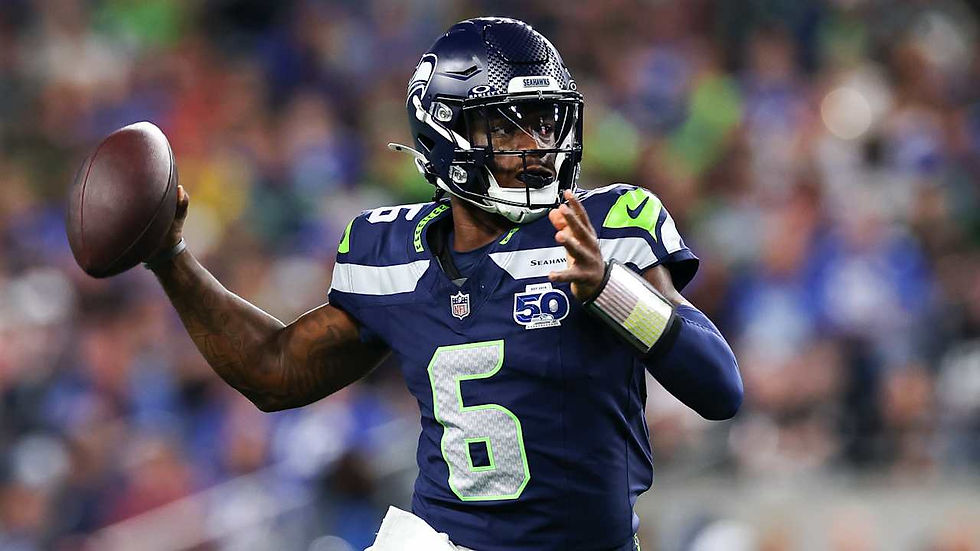
Jalen Milroe belongs on this list for the same reason Dart does: rushing quarterbacks can get fantasy relevant in a hurry.
Milroe’s passing development will likely decide how soon he sees the field, but his athletic profile gives him a fantasy-friendly ceiling if he starts. Designed runs, scrambles, and goal-line packages can pile up points even when the passing volume is modest.
He’s more of a deep-league or superflex dart than a standard 1-QB redraft pick. In most shallow leagues, you can watch him from waivers.
But if your league drafts deep benches, Milroe is exactly the kind of player worth taking before the room reacts. Backup pocket passers rarely become league winners. Backup rushing quarterbacks can.
Build your bench for upside, not comfort
After Round 10, don’t draft players because they feel safe. Safe bench players usually become the first waiver cuts anyway.
Draft players who can change your roster if one thing breaks right.
Best pure handcuff: Jordan Mason
Best rushing QB bet: Jaxson Dart
Best spike-week receiver: Rashid Shaheed
Best deep stash: Jalen Milroe
Best cut-quick rookie bets: Malachi Fields and De’Zhaun Stribling
If you’re getting ready for draft season and want fresh gear for Sundays, check out the latest selection at the official NFL fan shop.
The takeaway is simple: late picks should either gain value fast or get cut fast. Don’t be sentimental. Take the swing, watch the role, and churn the spot if it doesn’t hit.


Comments